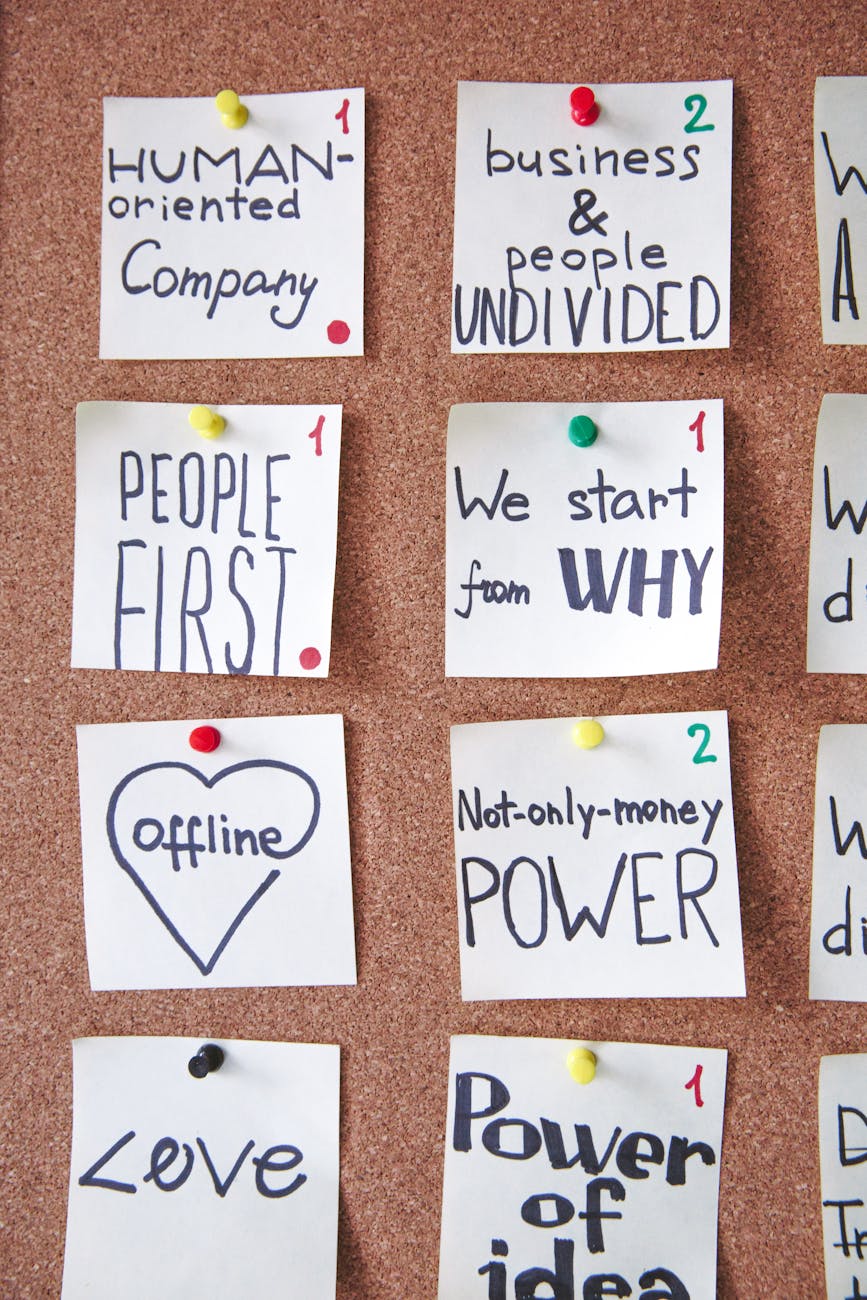

In today’s evolving workplace, organizations can no longer rely solely on policies, job descriptions, or performance metrics to sustain success. Resilience, trust, and engagement are not abstract leadership ideals—they are operational necessities. When embedded into daily workflows, these elements strengthen teams, improve productivity, and support long-term organizational health.
Resilience: Supporting Adaptability and Continuity
Resilience is an organization’s ability to adapt, recover, and continue forward during periods of change, uncertainty, or challenge. While resilience is often discussed at the individual level, it is most effective when reinforced through workflows and leadership practices.
Resilient organizations:
- Normalize change and continuous improvement
- Encourage problem-solving rather than blame
- Provide clarity during uncertainty
When leaders build resilience into workflows—through clear communication, realistic workloads, and shared accountability—employees are better equipped to respond to challenges without burnout or disengagement. Resilience becomes a collective strength, not an individual burden.
Trust: The Foundation of Effective Work
Trust is the cornerstone of collaboration and performance. Without trust, workflows become rigid, communication suffers, and innovation stalls. Employees who do not trust leadership are less likely to share ideas, raise concerns, or take initiative.
Incorporating trust into workflows means:
- Creating consistent and transparent communication channels
- Empowering employees to make decisions within their roles
- Following through on commitments and feedback
When trust is embedded into how work is assigned, reviewed, and supported, employees feel safe to contribute fully. Trust reduces unnecessary oversight and allows teams to focus on outcomes rather than fear of failure.
Engagement: Connecting People to Purpose
Engagement goes beyond job satisfaction—it reflects how emotionally and cognitively connected employees feel to their work and the organization’s mission. Engaged employees are more productive, innovative, and committed.
Engagement thrives when workflows:
- Allow employees to understand how their work connects to organizational goals
- Encourage collaboration and idea-sharing
- Recognize effort, growth, and contribution
When engagement is intentionally built into workflows, employees move from simply completing tasks to actively contributing to organizational success. This connection increases retention and strengthens workplace culture.
Why Integration Matters
Resilience, trust, and engagement cannot be addressed in isolation or reserved for leadership training sessions. They must be intentionally woven into how work gets done every day—from meetings and communication practices to decision-making and performance expectations.
Organizations that integrate these elements into workflows create environments where:
- Employees feel supported and valued
- Leaders are seen as credible and trustworthy
- Teams are equipped to sustain performance during growth or change
ProVet Leadership Takeaway
Strong organizations are built when resilience, trust, and engagement are designed into daily operations—not treated as optional leadership traits. When leaders align people, processes, and purpose, performance and retention naturally follow.
Reflection Question
How are your current workflows reinforcing—or undermining—resilience, trust, and engagement within your team?
(Picture is courtesy of Pexels free photos)
 Consulting With Purpose
Leave a comment